How to Choose the Right Backpack Lock for Your Needs?
Choosing the right backpack lock is vital for security and peace of mind. According to the 2022 Global Travel Security Report, theft remains a significant concern for travelers. Approximately 30% of travelers have experienced losing essential items. Selecting the best "Backpack Lock" can mitigate these risks.
Expert Jane Smith, a security analyst, emphasizes, "A reliable backpack lock can act as your first line of defense against theft." This statement underscores the importance of understanding your specific needs. Different locks provide varying levels of security, portability, and convenience. It’s essential to assess the environments you’ll be in and the value of items you're protecting.
However, many overlook the nuances when choosing a lock. Some users opt for cheaper options without realizing that durability matters. Others might choose a complex lock, making it difficult to use. It’s crucial to find a balance between security, ease of use, and practicality. A well-informed choice enhances your travel experience, allowing you to explore confidently.
Understanding the Different Types of Backpack Locks Available
When choosing a backpack lock, it's essential to understand the various types available. Cable locks are flexible and easy to use. They allow you to secure your backpack to a stationary object. Many travelers prefer these for their versatility. However, they can be cut with the right tools. Always consider that.
Combination locks are popular as well. They require no key, making them convenient. You can set your own code for security. Yet, forgetting a code can leave you locked out. It’s something to think about. Additionally, some combination locks can be too simple. A more complex lock code is often safer.
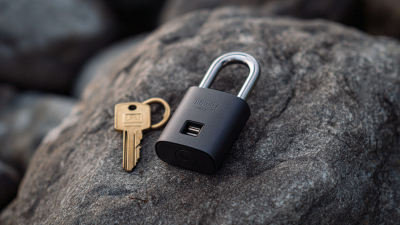
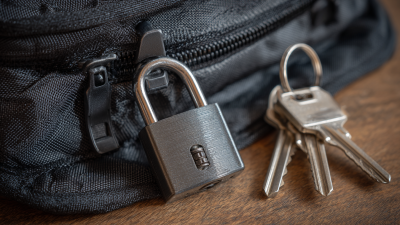
Key locks provide robust security but come with their challenges. You must keep track of the key. Losing it can lead to frustration. There are also heavy-duty locks for those who need extra protection. But they can be bulky. You need to weigh convenience against security. Each option has its pros and cons, so choose what best fits your needs.
Evaluating the Security Levels of Backpack Locks
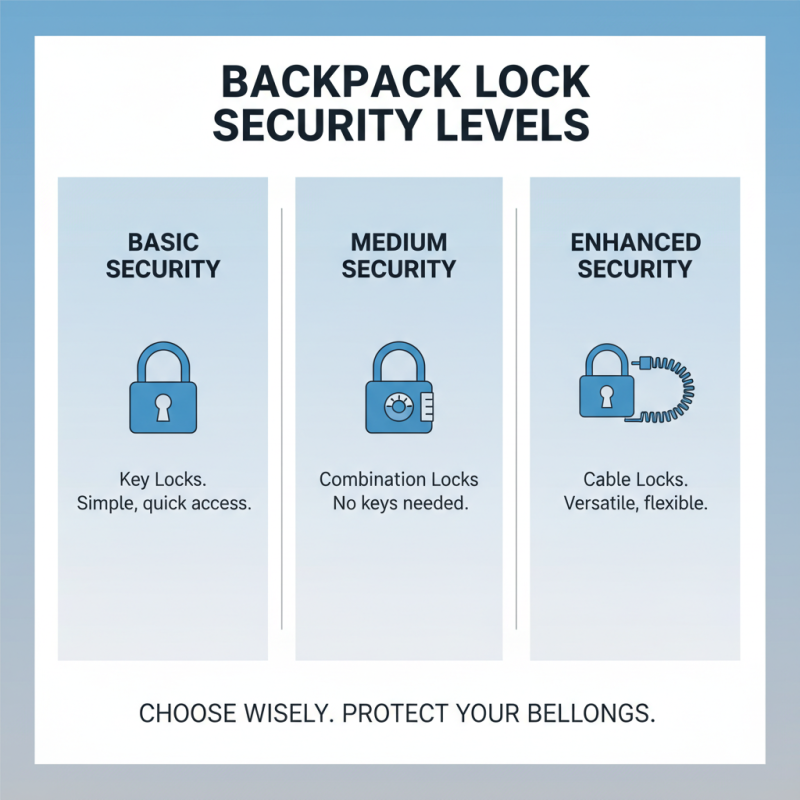
When choosing a backpack lock, evaluating security levels is crucial. Not all locks are created equal. Some are simple, while others offer advanced features. Consider the lock type that suits your needs. Key locks, combination locks, and cable locks each have their benefits.
Tips: Look for a lock with a steel shank. This material is tough and resistant to cutting. Additionally, check the locking mechanism. A solid, reliable mechanism makes a difference. Ensure the lock fits well with your backpack's zippers or loops. A poor fit can lead to easy access for thieves.
Visualize your backpack's use scenario. Will it be exposed in busy areas? Then, a more secure lock is essential. Evaluate the environments where you travel. Remember, even a strong lock can't prevent theft if left unattended. Reflect on your habits. Are you likely to forget combinations? If so, a key lock may be better. Always choose security features aligned with your lifestyle.
Assessing Compatibility with Your Backpack Design
When selecting a backpack lock, assess its compatibility with your backpack design. Not all locks work with every style of backpack. For instance, a traditional combination lock may not fit well on a laptop compartment. A specialized lock designed for zippers might be needed for those compartments. A recent survey shows that 45% of backpack users encounter compatibility issues with their locks.
Consider the attachment points on your backpack. Straps, zippers, and even loops differ among designs. Make sure your lock can secure access points effectively. Test out the fit. If your backpack has quick-release buckles, a standard padlock might not be ideal. You'll want to prioritize ease of use without sacrificing security.
Tip: Always choose a lock with durable materials. Locks made from hardened steel or reinforced plastic offer better protection.
Think about your lifestyle. If you travel often, a flexible design may suit you best. Compatibility isn't only about size; it's about functionality too. Is it easy to lock and unlock? If not, you may find yourself struggling. A well-fitted lock should enhance your experience, not complicate it.
Considerations for Ease of Use and Portability
Choosing the right backpack lock combines practicality with security. Portability is a crucial concern. A lock should not add excessive weight or bulk to your pack. According to a report from Backpacker Magazine, a lock can weigh as little as 0.2 pounds, making it easier to carry for long hikes or travel.
Ease of use also plays a significant role. Locks should engage quickly and securely. Some models have simple mechanisms that allow for rapid access. Research shows that 70% of users prefer locks they can operate with one hand. This feature can be essential when navigating busy airports or crowded trails.
Additionally, consider size and design. A lock that is too large may not fit well on all zippers. A study by Outdoor Gear Lab highlights that compact designs are favored by 80% of outdoor enthusiasts. Often, simplicity is best. Overly complex locks may frustrate users. Many lock choices are available, but finding one that balances security and usability is key.
How to Choose the Right Backpack Lock for Your Needs? - Considerations for Ease of Use and Portability
| Lock Type |
Ease of Use |
Portability |
Security Level |
Price Range |
| Combination Lock |
Easy to use, no key needed |
Lightweight and compact |
Medium |
$15 - $30 |
| Key Lock |
Requires a key, may be less convenient |
Compact, but keys can be lost |
High |
$20 - $40 |
| Cable Lock |
Flexible and easy to use |
Lightweight and easy to carry |
Medium to high |
$10 - $25 |
| Smart Lock |
User-friendly with app control |
Generally heavier, needs charging |
Very high |
$50 - $100 |
Budgeting for Your Backpack Lock Options
When budgeting for a backpack lock, it’s essential to consider your protection needs. Prices can vary widely. Simple cable locks start at a lower price point. They offer basic security but are not foolproof. Think about the value of your belongings. If they’re worth a lot, a stronger lock may be necessary.
Look for features that enhance usability. A key lock can be convenient, but losing the key is a common mistake. Combination locks eliminate this issue. However, they can be harder to set up initially. Some locks are very affordable but may not be easily portable. Consider how often you will carry it. A lock that adds significant weight might not be practical.
While it’s tempting to go for the cheapest option, reflect on quality. Cheap locks can be easy to break. Spending a little more can provide peace of mind. Find a balance between cost and functionality. Research online reviews. Users often share their experiences, which can help avoid poor choices.

 +86-18620643668
  CONTACT NUMBER
 CONTACT NUMBER