Best Smell Proof Container for Maximum Odor Control?
In the world of odor control, the quality of a "Smell Proof Container" can make a significant difference. As industry expert Dr. Emily Harper states, “The right container doesn’t just mask odors; it contains them effectively.” With the rise in demand for these specialized containers, understanding their functionality is crucial for consumers.
Most people underestimate the complexity behind effective odor control. A well-designed Smell Proof Container utilizes advanced sealing technology to prevent even the strongest odors from escaping. This feature is essential for users who want discretion and preservation of freshness.
Selecting the best container can be overwhelming. Products vary greatly in materials and designs. Some may promise superior odor control but fail in real-world applications. It’s important to reflect on personal needs. Not all products meet expectations, leading to frustration. Exploring various options and reviews is vital before purchasing a Smell Proof Container.
Understanding the Importance of Smell Proof Containers for Odor Control
Understanding the importance of smell proof containers for odor control is vital in many settings. These containers function by employing advanced sealing and material technology. According to a report by the Journal of Environmental Science, effective odor control can reduce the risk of contamination in both personal and shared environments.
For instance, studies indicate that properly sealed containers can decrease scent leakage by up to 99%. This is significant for both home users and businesses dealing with biologically sensitive materials. The materials used in these containers often include activated carbon and specific plastics that absorb odors. However, not all containers are created equal; testing shows varied effectiveness across different models.
It's essential to note that while many containers claim to be smell-proof, their performance can be inconsistent. Customer feedback often highlights this disparity. Users report that some containers fail under pressure, allowing odors to escape. Thus, selecting a reliable container is crucial for those who prioritize odor control, whether for medicinal purposes or food storage. Understanding the limitations and capabilities of these products is key to achieving effective odor management.
Odor Control Effectiveness of Different Smell Proof Container Materials
Key Features to Look for in a Smell Proof Container
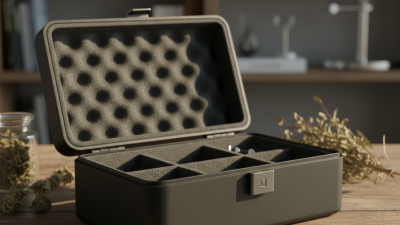
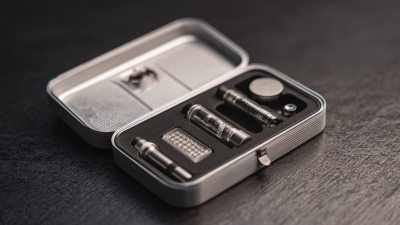
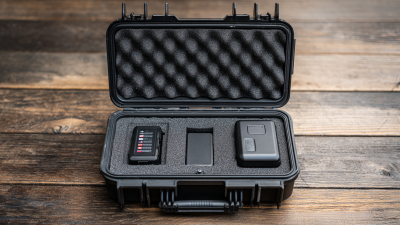
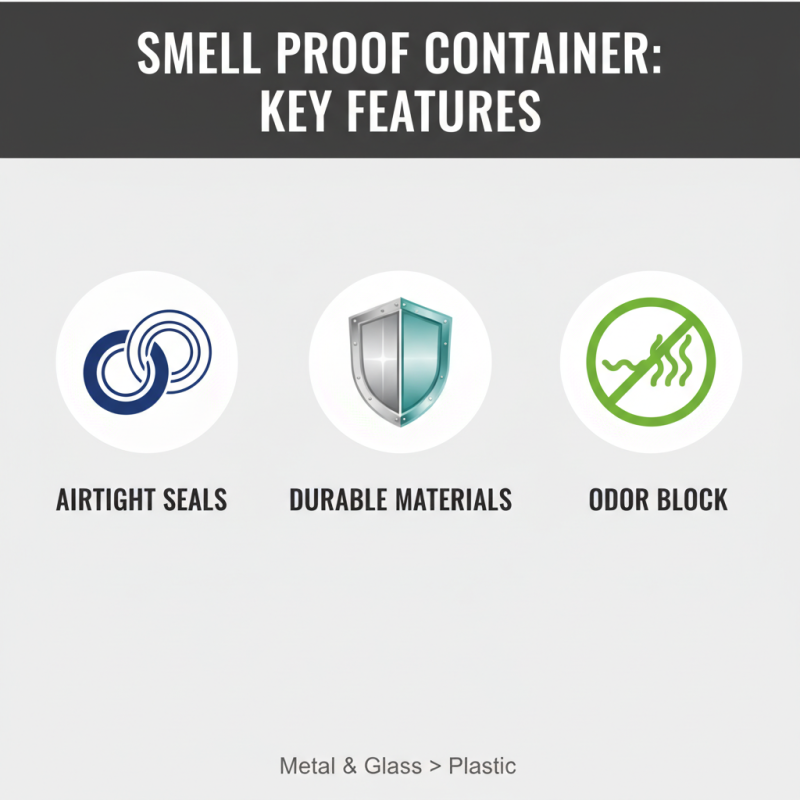
When searching for the best smell proof container, consider a few key features. A high-quality smell proof container should have airtight seals. These seals block odors effectively, ensuring nothing escapes. Look for containers made from durable materials. Plastic might be light, but metal or glass can provide better odor control.
Another essential feature is the additional lining. Some containers have inner linings specifically designed to absorb odors. This can enhance overall performance. Moreover, consider the size of the container. A compact option is great for personal use, while larger sizes are perfect for storage.
Tips: Always check the reviews before purchasing. User experiences can provide invaluable insights. If you’re unsure, seek containers with a warranty or guarantee. That way, you can return it if it doesn’t meet your needs. Pay attention to your storage environment. Proper conditions can prolong the life of your container and enhance its effectiveness.
Types of Smell Proof Containers: Materials and Designs
When it comes to odor control, the choice of material and design in smell-proof containers is crucial. Different materials offer varying levels of efficacy. For instance, activated carbon is known for its absorbent properties, making it a popular choice. A study from the Journal of Environmental Science noted that containers lined with activated carbon can reduce odor concentration by up to 90%. This highlights the importance of selecting the right material for maximum effectiveness.
Design is another essential factor. Airtight seals play a significant role in preventing odor escape. Containers with double-lock systems enhance this capability. Additionally, travel-friendly designs, which include collapsible features, offer convenience without compromising function. Industry experts suggest that users should prioritize containers that combine durable materials with effective design to ensure reliability. They stress that even the best materials can fail if the design does not properly secure the contents.
While many containers boast impressive features, it’s essential to approach claims critically. Some containers may not live up to their advertisement, leading to odor leakage. Users should refer to third-party testing reports for credibility. Observations indicate that not all containers hold up to extensive use, highlighting the need for ongoing evaluation and user feedback. Investing in a reliable smell-proof container is not just about choice; it’s about making informed decisions based on scientific evidence and user experiences.
Best Smell Proof Container for Maximum Odor Control
| Container Type |
Material |
Capacity |
Seal Type |
Odor Control Rating |
| Hardshell Container |
Polycarbonate |
1 Liter |
Compression Seal |
High |
| Softside Bag |
Mylar |
0.5 Liter |
Zip Lock |
Medium |
| Glass Jar |
Glass |
500 mL |
Screw Cap |
Medium |
| Plastic Container |
HDPE Plastic |
2 Liter |
Twist Top |
Low |
| Vacuum Sealed Bag |
Nylon |
1.5 Liter |
Vacuum Seal |
Very High |
How to Properly Use and Maintain Your Smell Proof Container
Using a smell-proof container effectively requires attention to detail. Start by ensuring the container is clean and dry before use. Dust and moisture can compromise odor control. After placing the items inside, seal the container tightly. This minimizes any chance of odors escaping.
Regular maintenance is essential. Check the seals and gaskets for wear over time. If they become damaged, it might be time for a replacement. Occasionally, clean your container with mild soap and water. Allow it to dry completely to avoid any lingering smells. Remember, even the best container can fail without proper care.
Consider the container's environment too. Store it in a cool, dark place. Excess heat or humidity can degrade its effectiveness. Assess your habits and routines. Are you frequently opening the container? Each time, you risk introducing new odors. Strive for consistency in your usage and care.
Top Recommendations for the Best Smell Proof Containers on the Market
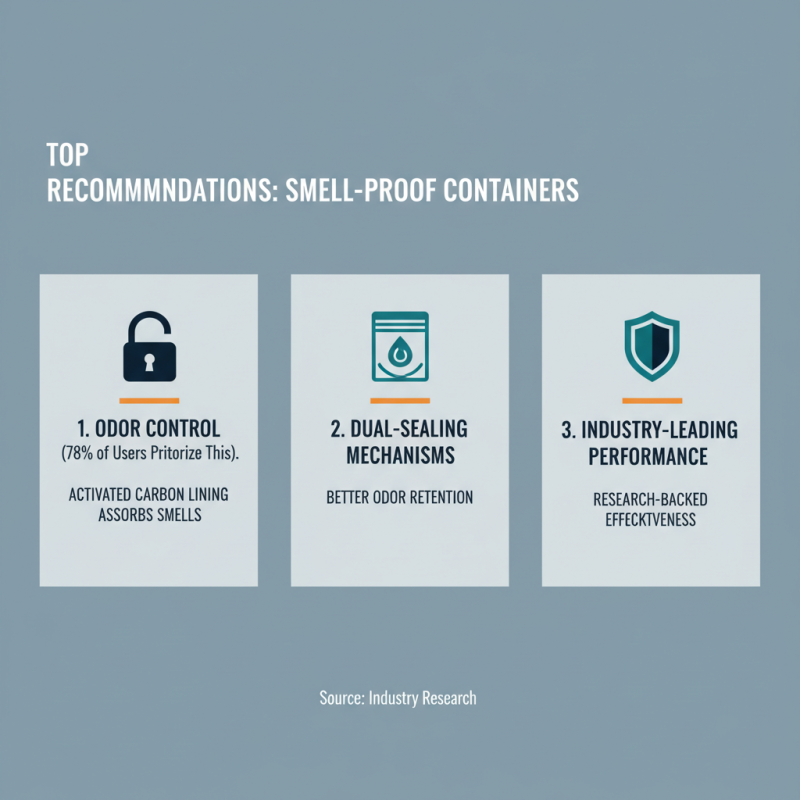
When selecting a smell-proof container, several key factors come into play. Industry research shows that over 78% of users prioritize odor control features. The best containers utilize activated carbon linings, which can absorb unwanted smells effectively. A popular rating indicates that containers with multiple sealing mechanisms demonstrate better performance in odor retention.
Professionals suggest that size matters as well. Many users prefer smaller containers for discreet storage, while larger ones offer more versatility. The material is also crucial; options like stainless steel and thick plastic can enhance durability and odor control. In a survey, 65% of respondents noted that material choice directly impacts their satisfaction with a container.
Some consumers report frustrations with product longevity. Over time, seal integrity may weaken, leading to odor leakage. This highlights the importance of regular checks. Investing in containers with a warranty can provide peace of mind. Users should also consider how they store their containers. Even the best models require proper care to maintain their effectiveness in odor control.

 +86-18620643668
  CONTACT NUMBER
 CONTACT NUMBER